Dr. Öğr. Üyesi

Dilek Gürsoy

Kitaplar

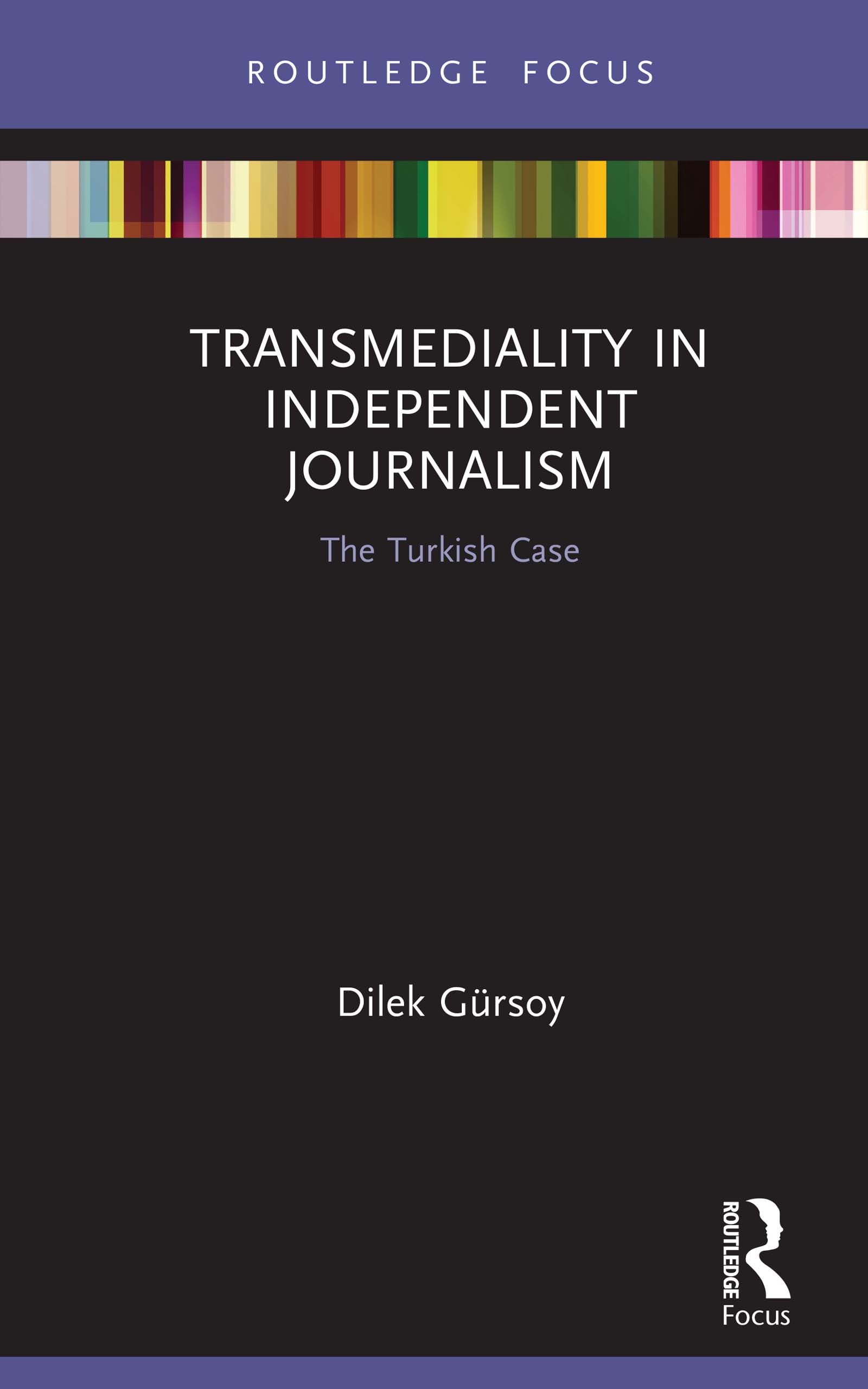
Transmediality in Independent Journalism: The Turkish Case

Transmediality in Independent Journalisminvestigates mainstream journalism and its escape routes to independence through transmedia strategies. Within the scope of the latest debates in Turkey, the author argues that the function of transmediality in Turkish journalism is gradually shifting from being only a commercial entity to becoming a political system for social change, a survival mechanism for independent journalists to reach out to diverse audiences, and gain back the public trust.

Bringing a fresh perspective to recent studies on cultures of transmediality along with an in-depth analysis of three contemporary Turkish cases, the book:

  • Builds upon questions of whether transmedia storytelling can offer a support system to construct an alternative news media world in a political context such as Turkey’s
  • Examines how transmedia storytelling can reach places the mainstream news media can’t control
  • Explores whether transmedia storytelling can sustain the survival of an independent journalist in Turkey’s political context

Looking beyond the case of Turkey, this study will be an important addition to the literature on rethinking journalistic form and practice, teaching transmedia strategies, and social communication. It will be of great benefit to students and scholars of journalism studies, transmedia studies, and media and communication studies.
Transmediality in Independent Journalism: The Turkish Case

Makaleler

Tailoring a method: Adaptation of design thinking to transmedia journalism

Design thinking is not an alien concept to the field of transmedia storytelling. However, the distinction between fictional and non-fictional approaches to transmedia production indicates that there is an insufficiency in existing production methods, especially when transmedia news stories are taken into consideration. The lack of journalism perspective in existing transmedia production approaches calls for reconsideration of these methods. Therefore, this research proposes a toolkit which draws out the significance of design thinking for the practice of transmedia journalism that rests upon a complex, collective and human-centred production. The toolkit is later evaluated by a one-day workshop on the grounds of collectivity in process, sensibility to content, creativity in outcome and simplicity in design. Consequently, the research shows that the proposed design thinking toolkit serves as an effective comprehension, cooperation, adaptation, distinction and education tool for the field of transmedia journalism.

Source: Interactions: Studies in Communication & Culture, Volume 11, Number 1, 1 April 2020, pp. 25-36(12)

Publisher: Intellect

DOI: https://doi.org/10.1386/iscc_00003_1


Tailoring a method: Adaptation of design thinking to transmedia journalism

Towards a Smart Visual Research Method for Visual Communication Design Education

Higher education in Visual Communication Design (VCD) in Turkey has faced significant challenges as a result of recent disruptive events, particularly the pandemic, resulting in shifts in learning models. The transition to online education resulted in lower engagement, attendance, and project quality. In response, the goal of this research is to create a smart and adaptable approach to VCD education that thrives in a variety of scenarios. The study emphasizes the role of the ideation phase of the design thinking approach in fostering innovation and engagement. It compares current ideation tools, specifically existing method decks and play card decks, to assess their ability to foster essential skills (creativity, innovation, problem-solving, sustainability, ethics, and collaboration). Their limitations, however, become apparent during the complex concept development process of visual communication design. The proposed 5W/1H approach appears to be a promising alternative, as it supports designers' essential skills while aligning with the field's specific needs. The study bridges the gap between designers and users by framing visual communication design as a reflective practice. This model addresses language, defining medium, and problem definition issues that have been identified in existing tools in the field of visual communication design. The incorporation of the proposed approach represents an important step toward holistic, user-centered design capable of navigating complex challenges.

Towards a Smart Visual Research Method for Visual Communication Design Education

Editörlük

Kitap Bölümü

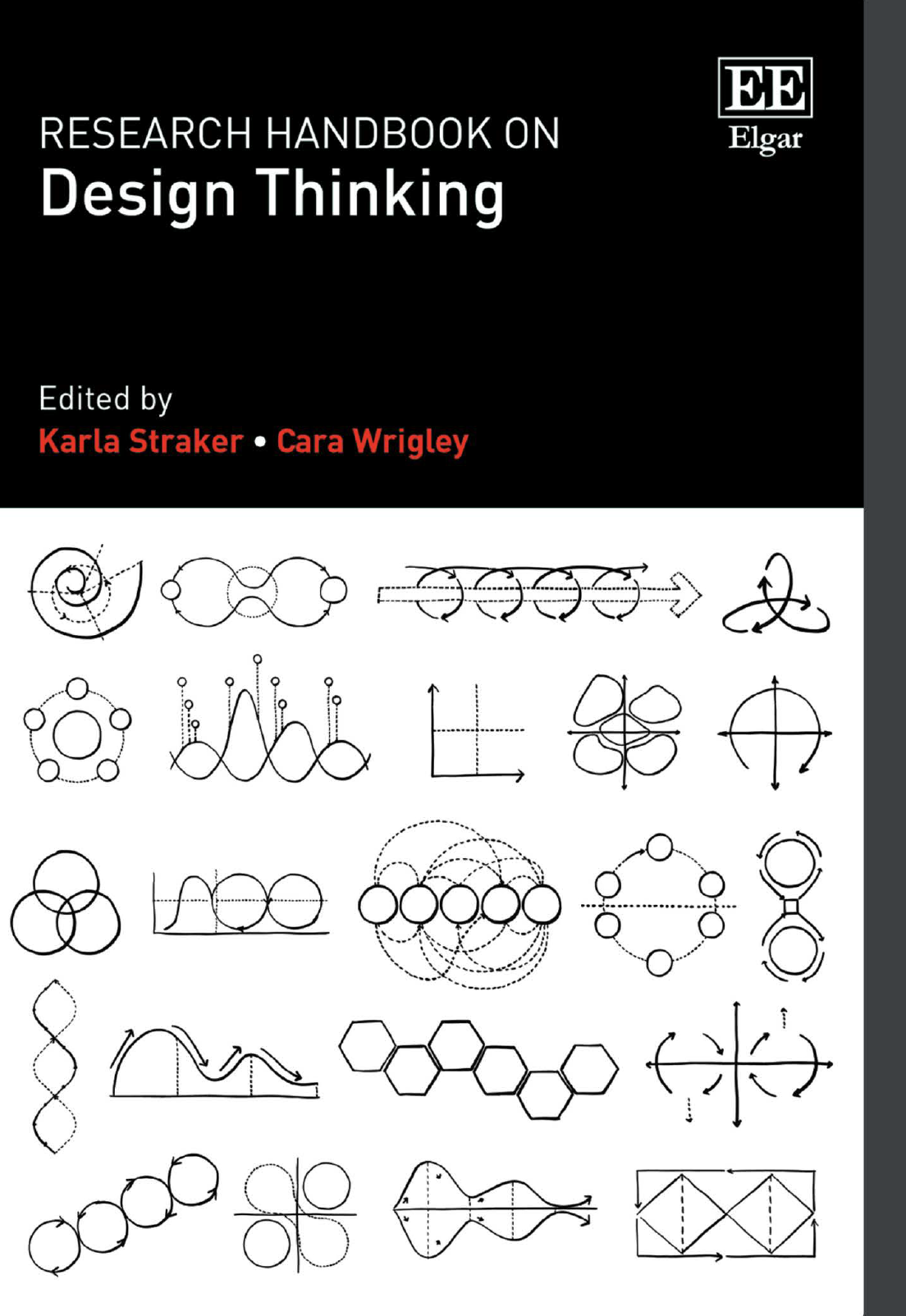
Method case study: The transmedia journalism design thinking toolkit

The shift in perception towards the media and information reveals major concerns about the over-production and consumption of news. News consumers are eager to follow the content that is of great interest to them, and they don’t hesitate to participate one way or another through any means they prefer. Journalists are also fighting with time more than ever to offer instant news to consumers, who have an insatiable thirst for knowledge, whether it be factual or false. Transmedia journalism, with its emphasis on participation and interactivity, is a timely approach to news production and distribution in the 21st-century. Teaching transmedia news story production, on the other hand, is a process that holds many challenges. This case study outlines the development of the Transmedia Journalism Design Thinking Toolkit to overcome of these difficulties by 1) simplifying a complex process, 2) building empathy to boost creativity and innovation, and 3) working as an interdisciplinary team.

Gürsoy, D. (2023). Method case study: The transmedia journalism design thinking toolkit. In K. Straker & C. Wrigley (Eds.), Research Handbook on Design Thinking (pp. 281–293). Edward Elgar Publishing.

Method case study: The transmedia journalism design thinking toolkit

Transmedia Charity Initiatives in Turkey: the Case of Adım Adım

Civil society organisations are an essential part of democratic life in Turkey. Within a climate of disinterest, distrust and fear towards giving, the way forward is based on the empowerment of engaged individuals and the organisation of civil society. It is equally critical that active citizens collaborate with civil society organisations to mobilise civil society and raise awareness of its potential. It is, therefore, necessary to develop communication systems that will facilitate being and doing together. This research herewith delves into Turkey’s donation culture with a focus on transmediality. It bases its framework on Freeman’s transmedia charity model and the Adım Adım (Step by Step) charity platform in Turkey, exploring tangible sub-layers to the concepts of community media (circulation, close encounter, solidarity, empowerment, longevity), participation media (merchandising, donating, volunteering, creating and sharing …

Eğitimde Deneysel Yöntemler: Görsel İletişim Tasarımının Transmedya Anlatıları ile Buluşması

Bu araştırma 2019-2020 eğitim yılının bahar döneminde Görsel İletişim Tasarımı programı çatısı altında verilen Dijital Grafikler dersi kapsamında gerçekleşmiştir. COVİD-19 pandemisi nedeniyle zorunlu uygulanan çevrimiçi eğitimde ister istemez oluşan sınırlı koşullar, ders içi etkileşime, derste katılıma, öğrenim ve öğretim motivasyonuna ve eğitimde altyapı eşitliğine olumsuz yönde tesir etmiştir. Transmedya öğrenim yöntemini görsel iletişim tasarımı eğitimine uygulayan bu araştırma, transmedya öğrenim dinamikleriyle (anlatı, bağlantılar, katılım, dalma, heves, açılım, aktivizm, çok modluluk, devamlılık, sürdürülebilirlik) yeniden yapılandırılan Dijital Grafikler çevrimiçi ders anlatısını etkileşim, katılım, eğlence ve eşitlik kavramları üzerinden irdelemiştir.

Dijital Grafikler dersinin anlatısı transmedya öğrenim bağlamında yeniden yapılandırılmıştır. Transmedya öğrenimin 10 farklı dinamiğine karşılık gelen içerik, aktivite ve çıktılar örneklerle açıklanmıştır. Çevrimiçi dersin Blackboard altyapısında sunulan aktivite raporlarından, forum paylaşımlarından, eş zamanlı ders kayıtlarından, ödev çıktılarından, eposta yazışmalarından, ders değerlendirme anketinden ve öğrencilerin Instagram hesaplarından toplanan veriyle şekillenen bulgular paylaşılmıştır. Bir araya getirilen bulgular ders içi etkileşim, katılım, eğlence ve eşitlik problemleri bağlamında gözden geçirilerek yorumlanmıştır.

Doktora Tezi